

Rethink Your Space: Unconventional Interior Decor Ideas to Amaze Your Guests
Your home is a reflection of your personality, but it’s also an opportunity to surprise and delight anyone who walks through the door. If you’re tired of predictable decor and want to make a bold statement, unconventional interior design ideas can transform your space into a conversation starter. Forget the traditional rules—this is about creativity, unexpected textures, and a touch of whimsy. Whether you’re renovating a single room or giving your entire home a fresh look, these unconventional ideas will help you craft a space that feels uniquely yours.
Why Unconventional Decor Works
Conventional decor often follows trends that blend into the background, creating spaces that feel familiar but forgettable. Unconventional decor, on the other hand, challenges norms and invites curiosity. It sparks conversations, showcases your individuality, and can even improve your mood by surrounding yourself with things that inspire you. The key is balance—mixing bold elements with functional design ensures your space remains livable while still making an impact.
Before diving into ideas, consider your lifestyle and the vibe you want to create. Are you going for a cozy, eclectic retreat? A sleek, futuristic haven? Or a playful, artistic escape? Your personality should guide the choices you make. Remember, the goal isn’t to fill your home with clutter but to curate spaces that feel intentional and full of character.
Bold Color Palettes and Unexpected Combinations
Color sets the tone for any room, and unconventional palettes can turn a dull space into a vibrant masterpiece. Step away from neutral tones and explore combinations that defy expectations. Here are some daring yet balanced ideas to try:
- Jewel Tones with Earthy Neutrals: Deep emerald green, sapphire blue, or rich amethyst paired with warm terracotta, sandy beige, or soft gray creates a luxurious yet grounded feel.
- Monochrome with a Twist: Black and white is a classic duo, but add metallic accents like gold or brass for a modern edge. Alternatively, use varying shades of gray for a subtle, sophisticated monochrome look.
- Unexpected Pastels: Soft pink, mint green, or lavender often associated with nurseries can look stunning in adult spaces when used in unexpected ways—like an accent wall or furniture upholstery.
- Contrasting Warm and Cool: Combine warm tones like mustard yellow or burnt orange with cool blues or teals for a dynamic, energetic space.
When working with bold colors, use them in layers rather than overwhelming a single surface. For example, pair a deep-colored sofa with neutral walls and add pops of color through throw pillows, artwork, or a statement rug. This approach keeps the space visually stimulating without feeling chaotic.
Using Color Psychology to Your Advantage
Colors evoke emotions, so choose your palette based on the atmosphere you want to create. For instance:
- Red: Energizing and passionate—ideal for dining areas to stimulate appetite and conversation.
- Blue: Calming and serene—perfect for bedrooms or bathrooms to promote relaxation.
- Yellow: Cheerful and optimistic—great for kitchens or home offices to boost creativity.
- Green: Balancing and refreshing—works well in living rooms or study areas to encourage focus.
Don’t be afraid to test colors in small doses first. Paint a single wall, introduce a colorful piece of furniture, or use removable wallpaper to experiment before committing to a full transformation.
Statement Furniture with Unusual Shapes or Materials
Furniture doesn’t have to be ordinary. Unconventional pieces can become the focal points of your room, drawing the eye and sparking intrigue. Here are some ways to incorporate standout furniture into your decor:
Geometric and Asymmetrical Designs
Move over, rectangular tables and square sofas. Furniture with geometric shapes or asymmetrical lines adds a modern, artistic flair to your space. Look for:
- A round dining table with a unique base, like a metal pedestal or a sculptural wooden leg.
- An L-shaped or curved sectional sofa to break up the rigidity of traditional seating.
- Bookshelves with angular shapes or floating shelves arranged in an abstract pattern.
These pieces not only look stunning but can also optimize space in smaller rooms by encouraging creative layouts.
Mixed Materials for Texture and Depth
Combine materials you wouldn’t typically pair to create a tactile, layered aesthetic. Some unexpected combinations include:
- Glass and wood for a sleek yet organic look.
- Metal and rattan for an industrial-boho vibe.
- Concrete and velvet for a minimalist yet luxurious contrast.
- Recycled or upcycled materials, like reclaimed wood or repurposed metal, for an eco-friendly statement.
For example, a coffee table with a glass top and a base made of reclaimed barn wood can serve as both a conversation piece and a functional centerpiece. Or, a dining chair with a metal frame and a seat woven from natural jute adds texture and visual interest.
Unexpected Functionality
Why settle for a standard sofa when you can have one that doubles as a guest bed? Or a coffee table with hidden storage compartments? Furniture with dual purposes maximizes space while adding a clever twist to your decor. Consider:
- A Murphy bed that folds into a stylish wardrobe during the day.
- A bench with built-in shoe storage at the entryway.
- A dining table that expands to accommodate large gatherings.
These pieces prove that functionality and creativity can coexist beautifully.
Walls as a Canvas: Art and Decor Beyond the Ordinary
Walls are one of the easiest places to experiment with unconventional decor. Instead of hanging a single piece of art above the sofa, think outside the box with these ideas:
Gallery Walls with a Twist
A gallery wall is a classic way to display art, but you can make it unforgettable by:
- Mixing frames of different shapes, sizes, and colors for an eclectic look.
- Incorporating non-traditional art, such as vintage posters, postcards, or even fabric hangings.
- Arranging pieces in an asymmetrical layout rather than a grid.
- Adding 3D elements like small shelves with trinkets, floating picture ledges, or even a collection of vintage keys.
For a cohesive yet unique display, stick to a unifying theme—like travel souvenirs, black-and-white photography, or a specific color palette—while allowing each piece to shine.
Textured Wall Treatments
Paint isn’t the only way to cover your walls. Textured treatments add depth and warmth to a room while making a statement. Try these alternatives:
- Wallpaper: Opt for bold patterns, metallic finishes, or even textured grasscloth wallpaper for a touch of luxury.
- Wood Paneling: Modern wood paneling in light or dark tones can add warmth and sophistication to any room.
- Woven Wall Hangings: Macramé, tapestries, or woven textiles can soften stark spaces and introduce bohemian flair.
- 3D Panels: Geometric or abstract 3D panels create visual interest and can be painted to match your decor.
Textured walls also have the added benefit of improving acoustics, making large or echoey rooms feel cozier.
Unconventional Art and Decor
Art doesn’t have to be traditional paintings or prints. Consider these unexpected alternatives:
- Indoor Plants as Art: Large, sculptural plants like fiddle-leaf figs or bird of paradise can serve as living art pieces.
- Vintage Maps or Blueprints: Framed antique maps or architectural drawings add a nostalgic, intellectual touch.
- Shadow Boxes: Display small collections, like vintage cameras, seashells, or retro toys, in deep frames.
- Neon Signs: Custom neon signs with phrases or symbols can add a modern, edgy vibe to your space.
For a truly personal touch, create your own art. Try painting on canvas, designing a mural, or even framing a piece of your own photography. The imperfections and personal stories behind handmade art make it all the more special.
Lighting That Sets the Mood
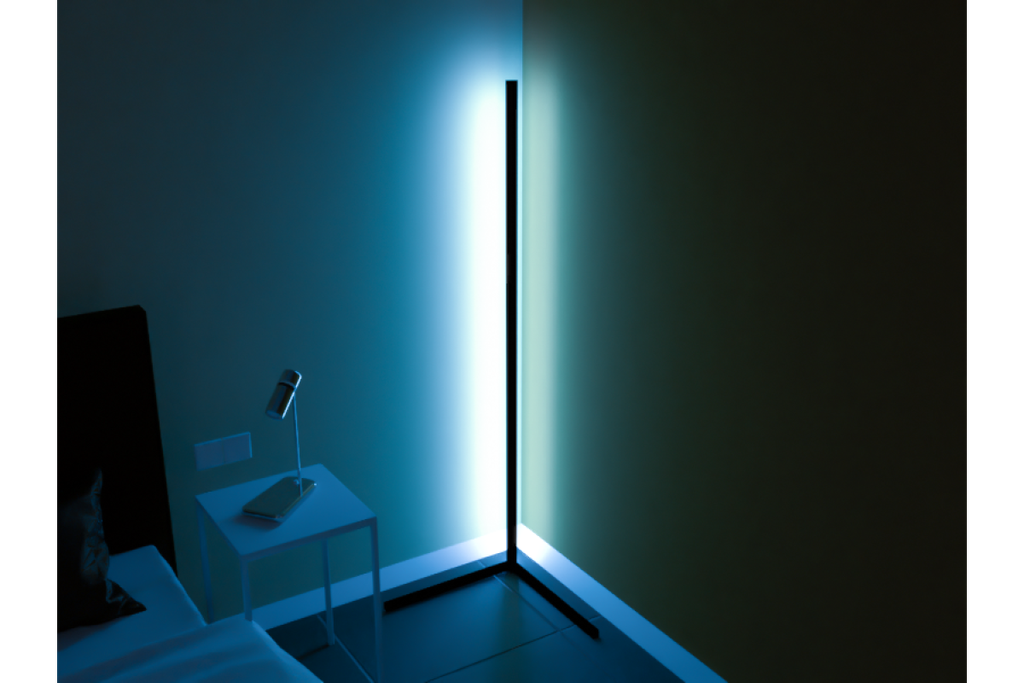
Lighting is often an afterthought in interior design, but it’s one of the most powerful tools to create atmosphere. Unconventional lighting can transform a room from dull to dramatic with just the flip of a switch. Here’s how to use lighting as a design statement:
Statement Light Fixtures
Swap out basic ceiling lights for fixtures that double as art. Some ideas include:
- A chandelier made of unconventional materials, like woven rattan, driftwood, or even repurposed bicycle parts.
- A large, sculptural pendant light with an organic shape or industrial aesthetic.
- A cluster of mismatched pendant lights in varying sizes and styles for an eclectic look.
- A floor lamp with a bold, artistic base, such as a tripod design or a lamp that resembles a human figure.
These fixtures not only illuminate your space but also become conversation pieces in their own right.
Layered Lighting for Depth and Drama
Instead of relying on a single overhead light, create a layered lighting scheme that includes:
- Ambient Lighting: Soft, general illumination from sources like floor lamps or wall sconces.
- Task Lighting: Focused light for specific activities, such as a desk lamp or under-cabinet lighting in the kitchen.
- Accent Lighting: Highlights architectural features or decor, like LED strips behind a TV or picture lights on artwork.
- Decorative Lighting: Whimsical or functional pieces that add character, like string lights, neon signs, or candle holders.
By combining these layers, you can adjust the mood of your room depending on the occasion—bright and energizing for parties or warm and cozy for a quiet evening in.
Unconventional Light Sources
Think beyond traditional bulbs and explore lighting options that add a unique touch:
- Salt Lamps: Natural Himalayan salt lamps emit a warm, soothing glow and are believed to improve air quality.
- Fire Pit Tables: A modern alternative to traditional fireplaces, these tables provide both warmth and ambiance.
- Fairy Lights: Drape string lights over a headboard, around a mirror, or along a bookshelf for a magical, fairytale effect.
- Projector Lights: Use a projector to cast patterns, stars, or even artwork onto your walls or ceiling.
For an eco-friendly option, consider solar-powered lights or LED bulbs that change color to suit your mood.
Thoughtful Arrangement and Spatial Play
A well-designed space isn’t just about the objects you choose—it’s about how you arrange them. Unconventional layouts can make a room feel dynamic and inviting while maximizing functionality. Here’s how to rethink the way you organize your space:
Zoning with Furniture
Instead of pushing all your furniture against the walls, try creating distinct zones within a single room. For example:
- In an open-plan living and dining area, use a rug or a bookshelf to separate the two spaces without using walls.
- Place a sofa at an angle in the corner of a room to break up the symmetry and add visual interest.
- Use a room divider, like a folding screen or a tall plant, to create privacy in a studio apartment.
Zoning helps define the purpose of each area while making the room feel larger and more intentional.
Playing with Scale and Proportion
Mixing furniture of different sizes can create a visually stimulating environment. Try these techniques:
- Oversized Pieces: A large sectional sofa or a giant floor pouf can anchor a room and make it feel cozy.
- Miniature Accents: Tiny side tables, petite vases, or small decorative objects add whimsy and contrast.
- Unexpected Heights: Pair low-slung furniture with tall, narrow bookcases or floor lamps to draw the eye upward.
Just be mindful of balance—too many large pieces can make a room feel cluttered, while too many small items can create visual noise.
Negative Space and Minimalism
Sometimes, less is more. Leaving areas of your room empty can create a sense of calm and sophistication. Embrace negative space by:
- Choosing a few statement pieces rather than filling every surface with decor.
- Opting for furniture with clean lines and minimal ornamentation.
- Using built-in storage to hide clutter and keep surfaces clear.
This approach works particularly well in modern or Scandinavian-inspired interiors, where simplicity and functionality are key.
Incorporating Personal Collections and Oddities
One of the best ways to make your space feel unique is to surround yourself with things that tell your story. Personal collections and oddities add character and spark curiosity. Here’s how to display them thoughtfully:
Curate a Collection
Whether it’s vintage cameras, antique keys, or seashells from your travels, a curated collection can become a focal point of your decor. Display your collection in:
- A dedicated shelf or cabinet with glass doors to protect the items while showcasing them.
- A shadow box or deep frame for smaller items.
- A tabletop display with varying heights to create visual interest.
The key is to group items by theme, color, or material to create a cohesive look. For example, a collection of vintage postcards can be arranged by destination or color palette for a polished yet personal display.
Oddities as Decor
Found objects, vintage finds, and quirky items can add a touch of personality to your space. Consider these ideas:
- Vintage Signs: Hang a rustic metal sign with a quirky phrase in your kitchen or entryway.
- Old Doors: Repurpose an old door as a headboard, dining table, or room divider.
- Antique Mirrors: A vintage mirror with an ornate frame can add glamour and depth to a room.
- Industrial Elements: Exposed pipes, metal beams, or reclaimed wood can give your space an edgy, urban feel.
When incorporating oddities, think about how they contribute to the overall aesthetic. A single striking piece, like a vintage typewriter or an old-fashioned globe, can be enough to make a statement.
DIY and Upcycled Decor
Handmade and upcycled decor items add a personal touch and reduce waste. Try these projects:
- Painted Furniture: Give an old dresser or chair a fresh look with a bold paint color or a decoupaged design.
- Macramé Wall Hangings: Create your own bohemian wall art using rope and simple knots.
- Mosaic Tables: Use broken tiles or glass to create a one-of-a-kind coffee or side table.
- Custom Artwork: Frame fabric scraps, pressed flowers, or even pages from old books to create unique wall art.
Not only do these projects save money, but they also give your space a truly one-of-a-kind feel.
Final Thoughts: Dare to Be Different
Unconventional interior decor is all about breaking the rules and embracing creativity. Whether you incorporate bold colors, statement furniture, or unexpected textures, the goal is to create a space that feels authentic and inviting. Remember, the most memorable rooms often blend function with fantasy, blending the practical with the playful.
Start small if you’re unsure—introduce one unconventional piece at a time and see how it transforms your space. Over time, you’ll develop a style that’s uniquely yours, one that amazes your guests and makes your home feel like a true reflection of you.
So, go ahead and rethink your space. The best interiors aren’t those that follow trends—they’re the ones that tell a story.


More Stories
Enchanted Spaces: Transforming Interiors with Whimsical Charm
Revitalize Your Space: 21 Creative Decorative Ideas to Transform Any Room
Transform Your Space: Unconventional Home Decoration Ideas That Wow