
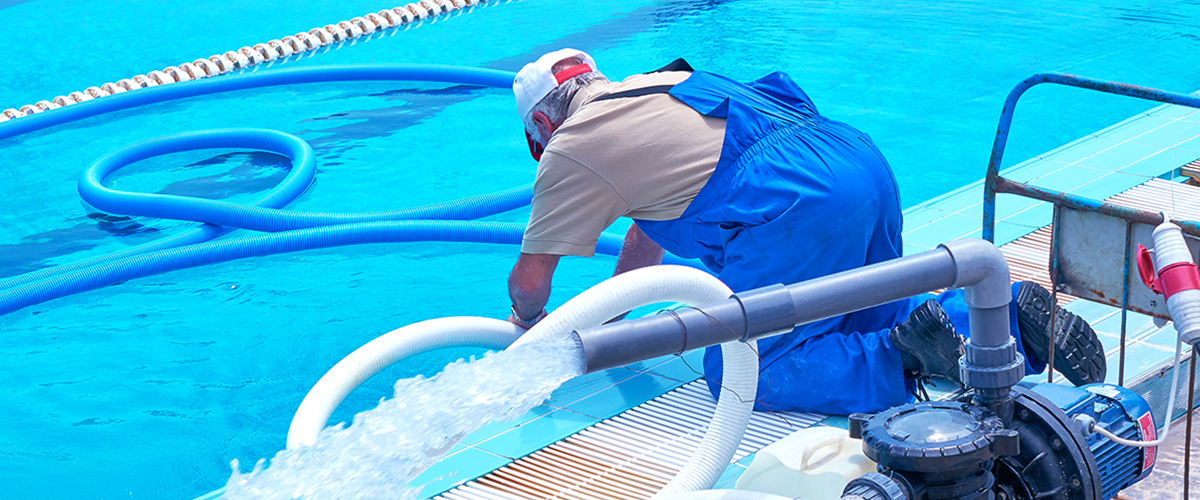
Ah, the Aussie dream: a sparkling pool beckoning you for a refreshing dip on a scorching summer’s day. But what happens when that dream turns into a watery nightmare because your pool equipment is playing up? We’ve all been there – the pump groans, the filter clogs, and suddenly your backyard oasis resembles a murky swamp. That’s where reliable solutions for pool equipment maintenance and repair become absolutely essential. After all, who wants to spend their weekends wrestling with faulty machinery instead of enjoying a swim?
Keeping your pool in tip-top shape isn’t just about aesthetics; it’s about safety, hygiene, and protecting your investment. Neglecting your pool equipment can lead to costly repairs down the line, not to mention potential health hazards for you and your family. And let’s be honest, nobody wants to be that house with the green, algae-infested pool that’s the talk of the neighbourhood. So, let’s dive into some practical advice for keeping your pool equipment running smoothly, ensuring your aquatic haven remains a source of joy, not frustration. And for those seeking professional residential pool maintenance, know that help is always available.
The Importance of Regular Pool Equipment Checks
Think of your pool equipment as the hardworking heart and lungs of your swimming pool. The pump circulates the water, the filter cleans it, and the chlorinator keeps it sanitised. Just like any mechanical system, these components require regular attention to function optimally. Ignoring these checks is like neglecting your car’s servicing – eventually, something will break down, often at the most inconvenient time.
Regular inspections allow you to catch minor issues before they escalate into major problems. A small leak in a pipe, a slightly noisy pump, or a build-up of debris in the filter – these are all early warning signs that can be easily addressed with timely intervention. By proactively maintaining your pool equipment, you can extend its lifespan, reduce the risk of breakdowns, and save yourself a considerable amount of money in the long run.
Essential Pool Equipment Maintenance Tasks You Can Do Yourself
While some pool equipment repairs require a professional, there are plenty of maintenance tasks you can tackle yourself with a bit of know-how and elbow grease. Here are a few essential tasks to add to your pool care routine:
Cleaning the Filter
Your pool filter is the first line of defence against dirt, debris, and algae. Over time, it can become clogged, reducing its efficiency and putting strain on the pump. Backwashing your filter (for sand and DE filters) or cleaning the cartridges (for cartridge filters) is a crucial part of pool maintenance. Check your filter’s pressure gauge regularly and backwash or clean it when the pressure rises 8-10 PSI above normal. This simple task can dramatically improve water clarity and prolong the life of your filter.
Inspecting and Cleaning the Pump Basket
The pump basket catches larger debris like leaves, twigs, and insects before they reach the pump impeller. A clogged pump basket restricts water flow, causing the pump to work harder and potentially overheat. Regularly empty and clean the pump basket to ensure optimal water circulation. It’s a quick and easy task that can prevent a lot of headaches.
Checking and Adjusting Water Chemistry
Maintaining proper water chemistry is vital for both hygiene and equipment longevity. Imbalanced pH levels can corrode metal components, damage pool surfaces, and reduce the effectiveness of chlorine. Test your water regularly using a reliable test kit and adjust the pH, alkalinity, and chlorine levels as needed. Aim for a pH of 7.2-7.8, alkalinity of 80-120 ppm, and chlorine level of 1-3 ppm.
Skimming the Pool Surface
Skimming the pool surface removes leaves, insects, and other floating debris before they sink to the bottom and decompose. Use a leaf skimmer to manually remove debris or invest in an automatic pool skimmer for hassle-free cleaning. Regular skimming keeps your pool looking its best and reduces the amount of debris that ends up in your filter.
When to Call in the Professionals for Pool Equipment Maintenance
While DIY maintenance is commendable, there are times when it’s best to call in the experts. Attempting complex repairs without the proper knowledge and tools can be dangerous and may even void your equipment’s warranty. Here are some situations where professional assistance is recommended:
Pump Repairs
If your pool pump is making unusual noises, leaking water, or failing to prime, it’s time to call a qualified pool technician. Pump repairs often involve electrical components and require specialised knowledge. Tampering with electrical systems can be hazardous, so it’s best left to the professionals.
Filter Repairs
Major filter issues, such as cracks in the filter tank or malfunctioning valves, require professional attention. Attempting to repair these issues yourself could result in further damage or even injury. A qualified technician can diagnose the problem and perform the necessary repairs safely and effectively.
Heater Repairs
Pool heaters involve gas or electricity and should only be serviced by qualified technicians. Attempting to repair a pool heater yourself could be dangerous and may violate local regulations. A professional can diagnose and repair heater issues safely and ensure your heater is operating efficiently.
Chlorinator Repairs
Salt chlorinators and other automated chlorination systems can be complex and require specialised knowledge to repair. If your chlorinator is malfunctioning or displaying error codes, it’s best to consult a pool technician. They can diagnose the problem and perform the necessary repairs to ensure your pool is properly sanitised.
Choosing the Right Pool Equipment Maintenance Service
When selecting a pool maintenance service, it’s important to choose a reputable company with experienced technicians. Look for a company that is licensed, insured, and has a proven track record of providing quality service. Ask for references and read online reviews to get an idea of their reputation. A reliable pool service will not only keep your equipment in good working order but also provide valuable advice on how to maintain your pool properly.
Consider a company that offers comprehensive maintenance packages tailored to your specific needs. These packages may include regular equipment inspections, water testing, chemical balancing, and cleaning services. A comprehensive maintenance plan can take the hassle out of pool ownership and ensure your pool is always ready for a swim.
Extending the Lifespan of Your Pool Equipment
Proper maintenance is the key to extending the lifespan of your pool equipment. However, there are also other steps you can take to protect your investment. Consider the following tips:
Protect Equipment from the Elements
Exposure to direct sunlight, rain, and extreme temperatures can damage pool equipment. Install a cover or enclosure to protect your equipment from the elements. This will help prevent corrosion, cracking, and other types of damage.
Use a Surge Protector
Power surges can damage sensitive electronic components in your pool equipment. Install a surge protector to protect your equipment from voltage spikes. This is especially important during thunderstorms or periods of high electrical demand.
Winterise Your Pool Properly
If you live in an area with cold winters, it’s essential to winterise your pool properly to prevent freeze damage. Drain the water from your equipment, add antifreeze to the pipes, and cover your pool. This will protect your equipment from cracking and bursting during freezing temperatures.
Investing in High-Quality Pool Equipment
While proper maintenance is crucial, the quality of your pool equipment also plays a significant role in its longevity. Investing in high-quality equipment from reputable manufacturers can save you money in the long run. Cheaper equipment may be tempting, but it often breaks down more frequently and requires more repairs. Choose durable, energy-efficient equipment that is designed to withstand the harsh Australian climate.
Consider upgrading to energy-efficient pumps, filters, and heaters to reduce your energy consumption and lower your operating costs. Energy-efficient equipment not only saves you money but also reduces your environmental impact. Look for equipment with the Energy Star label to ensure it meets strict energy efficiency standards.
The Long-Term Benefits of Proactive Pool Equipment Care
In conclusion, taking proactive steps to maintain your pool equipment is an investment that pays off in numerous ways. Not only will you extend the lifespan of your equipment and reduce the risk of breakdowns, but you’ll also save money on repairs, lower your energy bills, and enjoy a cleaner, safer, and more enjoyable swimming experience. So, don’t wait until your pool equipment breaks down to take action. Implement a regular maintenance routine, address issues promptly, and call in the professionals when needed. Your pool will thank you for it!
By understanding the importance of professional solutions for pool equipment maintenance, you’re ensuring years of worry-free enjoyment. Remember, a little bit of preventative care goes a long way in keeping your backyard oasis sparkling and inviting, ready for those hot Aussie summers.



More Stories
Revitalize Your Space: 9 Unexpected Home Improvements That Boost Value and Comfort
Revive Your Space: Creative Home Remodeling Ideas to Transform Your Haven
5 Bold Home Renovation Ideas That Will Transform Your Space