
How to Create a Stunning Home Interior Design creating a stunning home interior design is an exciting and rewarding journey that allows you to bring your personality, style, and preferences into the spaces where you spend most of your time. Whether you’re designing a cozy studio apartment, a spacious family home, or a minimalist loft, Home Interior Design is all about transforming your space into a place of comfort, functionality, and beauty. A well-thought-out interior can make a profound difference, elevating your daily living experience and impressing guests with its charm.
To create a stunning Home Interior Design, it’s essential to focus on several key elements, from layout and color schemes to furniture choices and finishing touches. This guide will help you navigate the intricacies of interior design, ensuring that your home reflects your unique taste and meets your practical needs.
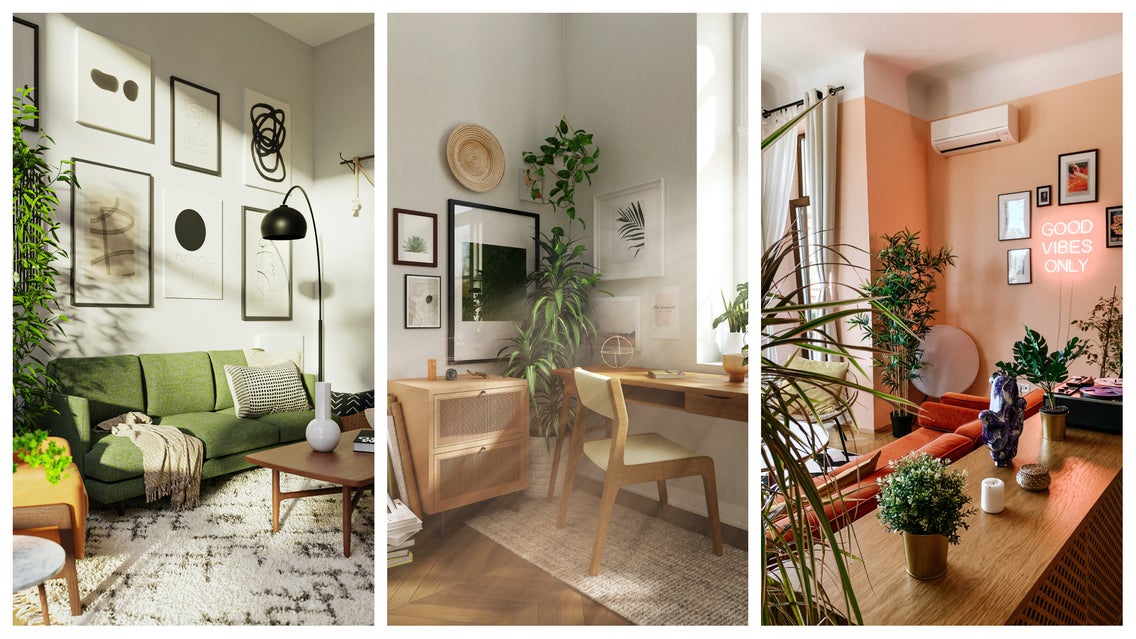
Understand Your Space
Before diving into any design decisions, the first step in creating a stunning Home Interior Design is to fully understand the space you’re working with. Each room in your home presents its own challenges and opportunities, so it’s important to take measurements and analyze the flow and functionality of each area.
Assess the Room’s Size and Layout
Start by taking accurate measurements of the room, including its height, width, and depth. This will help you understand the available space and avoid choosing furniture that’s too large or too small for the room. Additionally, consider the natural flow of the room—does it feel cramped, or does it have an open, airy feel? The layout of the space will heavily influence the atmosphere, so make sure to arrange furniture in a way that feels harmonious.
For example, in a small living room, avoid overcrowding the space with too many pieces of furniture. Instead, focus on a few key items that serve multiple functions, such as a sofa with built-in storage or a coffee table that doubles as a work surface.
Lighting and Natural Elements
Lighting plays a critical role in Home Interior Design, as it can completely change the mood of a room. Begin by observing how much natural light your space receives throughout the day. If a room gets a lot of sunlight, you can choose darker colors and heavier furniture. However, if natural light is limited, consider using lighter colors and reflective materials to brighten up the space.
You can also take advantage of the natural elements in your home, such as views of the outdoors, the texture of the walls, or architectural features like beams and windows. These elements should complement the overall design, helping to establish a cohesive look throughout the home.
Develop a Clear Design Concept
Now that you understand the space, it’s time to develop a clear concept for your Home Interior Design. This step involves deciding on the style and aesthetic you want to achieve, as well as considering your practical needs. Whether you prefer a modern, rustic, boho, or traditional look, your interior design should reflect your personality and lifestyle.
Choose a Design Style
There are countless design styles to choose from, but the best approach is to select one that resonates with your tastes and preferences. Here are a few popular options:
- Modern: Sleek, clean lines, neutral colors, and minimalistic furniture define modern interior design. This style often incorporates metal, glass, and wood materials to create an open, uncluttered space.
- Traditional: This style embraces classic furniture, rich textures, and elegant decor. Wooden furniture, plush upholstery, and traditional patterns like floral or plaid are common elements.
- Scandinavian: Known for its simplicity and functionality, Scandinavian design features neutral color palettes, functional furniture, and a balance of textures. Think cozy and minimalist with natural wood accents and plenty of light.
- Industrial: This style draws inspiration from urban lofts and warehouses, combining exposed brick, metal elements, and vintage furniture. It’s a look that thrives on raw materials and open spaces.
Color Scheme and Mood
Once you’ve chosen a design style, it’s time to decide on a color scheme. Color is one of the most powerful tools in Home Interior Design, as it influences the mood and ambiance of a room. Bold, dark colors can create a sense of drama and intimacy, while lighter shades can make a space feel larger and airier.
For example, if you’re going for a modern or minimalist style, consider using neutral colors like white, gray, and black. For a more relaxed, rustic feel, soft greens, browns, and beige can create a cozy, welcoming atmosphere.
When choosing colors, it’s important to maintain balance. You can add pops of color through accents like throw pillows, artwork, or rugs, but the base color scheme should remain cohesive throughout the room.
Choose Furniture Wisely
Furniture is often the focal point of any Home Interior Design. The right furniture not only enhances the room’s aesthetic but also adds functionality and comfort. When selecting pieces, consider the size, material, and overall style of the furniture.
Prioritize Comfort and Functionality
While aesthetics are important, functionality should never be compromised. Choose furniture that not only looks good but also serves a purpose. In a living room, for example, a sofa should provide ample seating and comfort, while a coffee table should be both practical and stylish.
Think about how you use the space. If you entertain often, you may want to invest in larger seating arrangements and a dining table that can accommodate guests. If you’re working with a small apartment, consider space-saving furniture like a fold-out couch or nesting tables that can be tucked away when not in use.
Incorporate Versatility
Multi-functional furniture is a game-changer in Home Interior Design, especially in smaller spaces. Items like storage ottomans, expandable tables, or bookshelves that double as room dividers can help you maximize the potential of your space without compromising on style.
For example, a sofa bed can be a great solution for a guest room, providing both a comfortable seating area and a bed for overnight visitors. Similarly, a dining table with built-in storage can help keep your space tidy while still offering plenty of room for meals.
Invest in Quality
While budget considerations are always important, it’s worth investing in high-quality furniture pieces that will stand the test of time. Well-made furniture not only looks better but is also more durable and comfortable. Consider quality materials such as solid wood, metal, or leather, which age beautifully and improve with time.
Lighting: A Critical Element
Lighting is often an afterthought in Home Interior Design, but it should never be underestimated. The right lighting can transform a room, highlighting architectural features and creating a warm, inviting atmosphere.
Layer Your Lighting
To create a balanced lighting scheme, layer different types of lighting throughout the room. This includes:
- Ambient lighting: The primary source of light in a room, such as ceiling lights or chandeliers.
- Task lighting: Focused lighting used for specific activities like reading, cooking, or working. Desk lamps and under-cabinet lights are great examples.
- Accent lighting: This is used to highlight architectural features, artwork, or decor. Think of floor lamps, sconces, or picture lights that add visual interest to the space.
Consider Light Fixtures
Light fixtures are an essential part of Home Interior Design, offering both functional and decorative benefits. Choose fixtures that complement the overall style of the room, whether it’s a sleek, modern pendant light or an ornate chandelier. Be sure to install fixtures that provide ample lighting without overwhelming the space.
Natural Light
Don’t forget about the importance of natural light in your design. Large windows, skylights, and glass doors can help flood the space with sunlight, creating a warm and inviting environment. If privacy is a concern, consider using sheer curtains or blinds that allow light to flow through while maintaining a sense of seclusion.
Add the Finishing Touches
The final touches are what turn a great Home Interior Design into a truly spectacular one. These finishing elements add personality and flair, making the space feel uniquely yours.
Accessories
Accessories such as throw pillows, rugs, vases, and artwork can breathe life into a room. These smaller pieces can tie the entire room together, adding color, texture, and visual interest. Be sure to choose accessories that complement your overall design and don’t overcrowd the space.
A well-chosen piece of artwork can serve as the focal point of a room, while decorative vases, plants, and bookshelves can fill empty corners with style. Keep in mind that less is often more—too many accessories can create a cluttered and chaotic feel.
Personal Touches
Personalize your space with items that reflect your personality and history. Family photos, souvenirs from trips, or a treasured heirloom can add warmth and character to a room. These personal touches make the space feel more like home and less like a showroom.
Designing a stunning home is an ongoing process that requires patience, planning, and a keen eye for detail. By understanding your space, choosing the right furniture, incorporating color, and focusing on lighting and accessories, you can create a Home Interior Design that is both stylish and functional. Whether you’re revamping a single room or transforming an entire home, remember that the design should reflect your personality, cater to your needs, and create an atmosphere that feels inviting and comfortable.
Ultimately, a well-executed interior design can turn any space into a sanctuary, where every detail—from the layout to the finishing touches—works in harmony to create a home that is as stunning as it is livable.


More Stories
Revitalize Your Space: 9 Unexpected Home Improvements That Boost Value and Comfort
Revive Your Space: Creative Home Remodeling Ideas to Transform Your Haven
5 Bold Home Renovation Ideas That Will Transform Your Space