
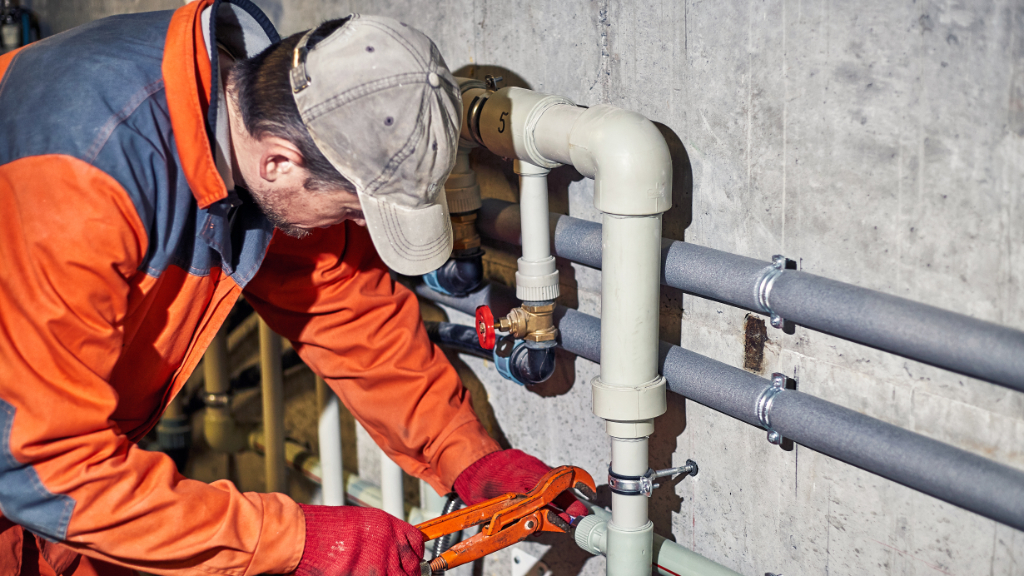
Many facility managers and business owners operate under the assumption that commercial plumbing is essentially the same as residential plumbing, only scaled up. The belief is that if a system works for a house, one simply adds more fixtures or larger pipes to make it work for a commercial space. While the underlying principles of water delivery and waste removal remain consistent, the reality of managing a commercial property is far more complex. The demands placed on the infrastructure—ranging from higher usage volumes to stringent health and safety considerations—require a different approach to maintenance, installation, and repair.
Why commercial infrastructure requires specialized oversight
The primary difference between a residential environment and a commercial one is the intensity of use. In a typical workplace or retail space, fixtures may be accessed by scores or hundreds of people daily. This continuous usage pattern accelerates the wear on components such as flush valves, faucets, and seals. When a component in a private home fails, the inconvenience is limited to the occupants of that dwelling. When a fixture fails in a public-facing facility, it can disrupt operations, affect the user experience, and create significant liability issues.
Because of this, commercial plumbing services are often structured around preventative maintenance rather than simple emergency response. Facility managers often find that waiting for a pipe to burst or a drain to clog is a costly strategy. Instead, the most effective approach typically involves routine inspections of main sewer lines, pressure regulating valves, and backflow prevention assemblies. These preventative steps are designed to catch minor issues, such as small leaks or early-stage corrosion, before they evolve into major structural failures that could force a temporary closure of the premises.
The critical factors that distinguish effective commercial plumbing
When seeking out commercial plumbing contractors in Denver, it is helpful to understand what separates a general service call from a high-level commercial project. The nature of the work in this region is influenced by several factors, including the specific needs of commercial architecture, local codes, and the unique environmental stressors of the area.
Understanding the complexity of multi-story plumbing systems
Many commercial properties in this region utilize multi-story layouts, which introduce significant challenges regarding vertical piping, venting, and pressure management. A plumbing failure on an upper floor can cause extensive water damage throughout the building, affecting tenant spaces and structural integrity far below the source of the leak. Consequently, contractors who focus on commercial projects must be well-versed in complex riser systems and the integration of these systems with fire suppression and HVAC piping.
Managing high-demand water systems
Unlike standard residential setups, commercial buildings often require robust systems for hot water delivery and industrial-grade filtration. Whether it is a kitchen in a restaurant, a laboratory setting, or a large fitness center, the ability to maintain steady water temperature and pressure during peak usage is vital. A skilled contractor will evaluate the total water demand of a building to ensure that the infrastructure is capable of handling the flow without causing premature fatigue to the plumbing components.
How to distinguish between providers in a competitive market
Finding the right partner for your building’s needs requires looking beyond simple availability. A high-quality commercial plumbing provider should demonstrate transparency and a systematic approach to problem-solving. When interviewing potential contractors, consider asking how they handle routine reporting. Documentation matters; a provider who keeps detailed logs of maintenance activities, including camera inspections of pipes or sensor reports on water pressure, can provide facility managers with the data needed for long-term capital planning.
Another consideration is the provider’s familiarity with the specific nuances of the local region. While plumbing principles are universal, the local climate and seasonal variations can impact piping longevity. For instance, in colder months, the risk of pipe freezing in unconditioned spaces or rooftop units becomes a primary concern. A provider experienced in the local geography will typically offer specific strategies for winterization and the ongoing protection of exterior lines, helping to prevent the common issues that can lead to emergency service calls when temperatures drop.
Reframing the role of plumbing in business continuity
Rather than viewing plumbing as a background utility that is only relevant when it breaks, it is more productive to consider it as a central component of business continuity. A well-managed plumbing system supports the daily operations of a business, whereas a neglected one is an active risk factor. The investment in professional, ongoing care is ultimately an investment in the reliability of the facility itself.
By moving away from the assumption that “plumbing is just plumbing,” businesses can begin to prioritize providers who act as strategic partners. The goal of these partnerships is not merely to clear a drain or tighten a valve, but to provide an ongoing assessment of the building’s health. This allows for scheduled upgrades and repairs during low-traffic periods, minimizing the impact on customers, employees, and daily revenue.
Ultimately, the best approach is to move toward a model of partnership. When a facility team and a contractor share a clear understanding of the building’s specific plumbing needs—its age, its usage patterns, and its potential vulnerabilities—they can build a maintenance strategy that is both predictable and effective. This shifts the focus from the stress of emergency fixes to the stability of a reliable, high-functioning system that operates quietly and efficiently in the background, allowing the business to focus on its core goals without the distraction of infrastructure failure. By proactively managing the plumbing systems that support their operations, businesses can achieve a degree of certainty that provides peace of mind and guards against the most avoidable operational risks.


More Stories
Best Tools for Shopping Cart Handle Repair at Home
Renovation Costs vs. ROI: Get the Best Bang for Your Buck
What Is California Casual Interior Design and Why Is It So Popular?